Give to God What Belongs to God. But Have We?
In the Gospel, the religious and political leaders try to trap Jesus with a question about paying taxes to Caesar. Behind their question lies something deeply human: the desire to hold on to power, position and influence. They are more concerned with protecting what they have than listening to what Jesus has to say.
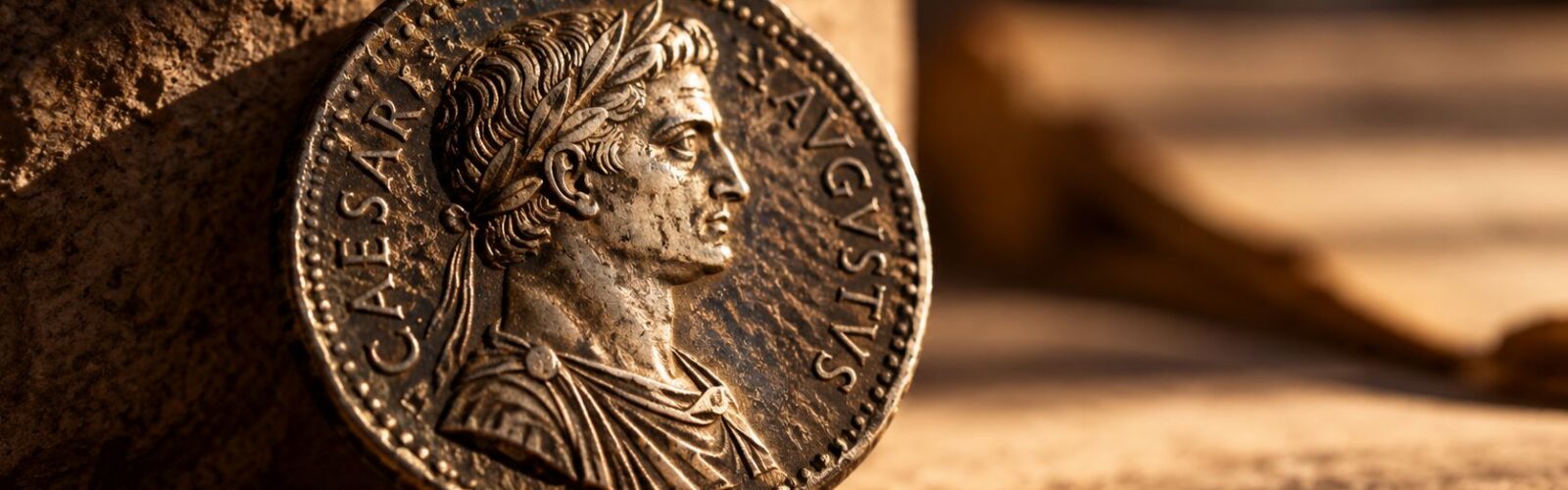
But Jesus sees through their intentions. He asks them whose image is on the coin, and when they answer that it is Caesar’s, He replies, “Repay to Caesar what belongs to Caesar and to God what belongs to God.”
We have heard these words so many times that perhaps we no longer stop to think about them. The coin bears Caesar’s image. But we bear the image of God. And if we truly believe that, shouldn’t it change the way we see ourselves and the people around us?
So much of our lives is spent trying to be enough. We want to be accepted, respected, appreciated and loved. We compare ourselves with others, worry about what people think and sometimes allow our failures to define who we are. Yet long before we achieved anything or became anyone in the eyes of the world, we were already precious to God. Our worth was never something we had to earn.
But do we believe this, not just about ourselves, but about everyone else?
It is easy to recognise God’s image in the people we love. It is much harder when someone has disappointed us, hurt us or simply sees the world differently. We may speak about kindness and compassion, yet find ourselves being impatient, dismissive or quick to judge. Sometimes we don’t even realise how differently we treat people depending on who they are, where they come from or what they can do for us.
And perhaps that is the uncomfortable truth we need to face. We cannot say that every person is made in God’s image and then decide, in our hearts, that some people deserve less dignity, less understanding or less love.
On World Mission Sunday, we are reminded that our calling is to bring Christ into the world. But that mission does not always begin somewhere far away. Often, it begins with the people closest to us, especially those we find hardest to love.
We may attend Mass faithfully, say our prayers and be involved in the life of the Church. These are important parts of our faith. But are we allowing our relationship with Christ to change us? Are we becoming more patient, more forgiving, less proud and more willing to see the good in others? Or have we become so comfortable practising our faith that we have forgotten to let it transform our hearts?
Perhaps the first person who needs to hear the Gospel again is ourselves.
God has entrusted each of us with a life, and we may never fully know the difference we make in the lives of others. Sometimes it is in the smallest things: the kindness we show when we are tired, the forgiveness we offer when it is difficult, the time we give someone who needs to be heard, or the dignity we restore to someone who feels unseen.
We live in a world that places so much importance on influence, yet perhaps the influence that matters most is whether someone has experienced a little more of God’s love because they crossed our path.
And so, when Jesus tells us to give to God what belongs to God, perhaps He is inviting us to look honestly at the life we are living. Not only at what we do for Him, but at how much of His love is reflected in the way we live.
We belong to God, and everything we have is a gift from Him. Our time, our relationships, our abilities, even the ordinary days we sometimes take for granted.
One day, when we look back on the life we have been given, will we be able to say that we loved as generously as we were loved?
Perhaps that is what it means to give God what belongs to God. Not simply to offer Him a part of our lives, but to allow His love to shape the whole of it. (BV)