
Let the Peace of Christ Rule in Your Hearts
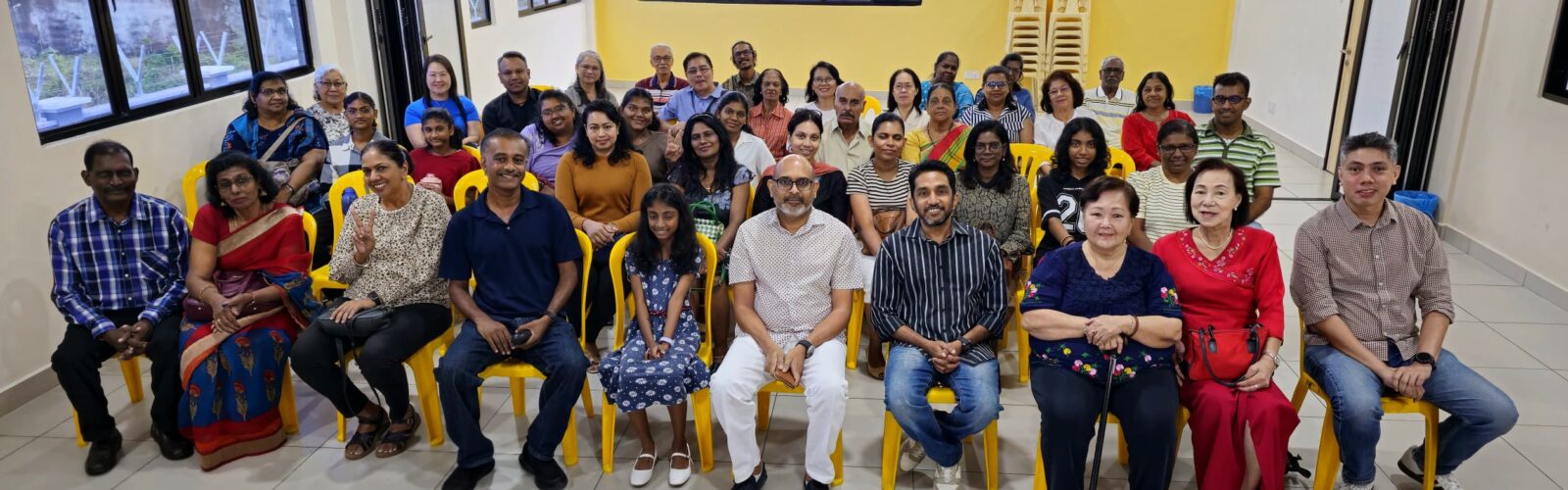
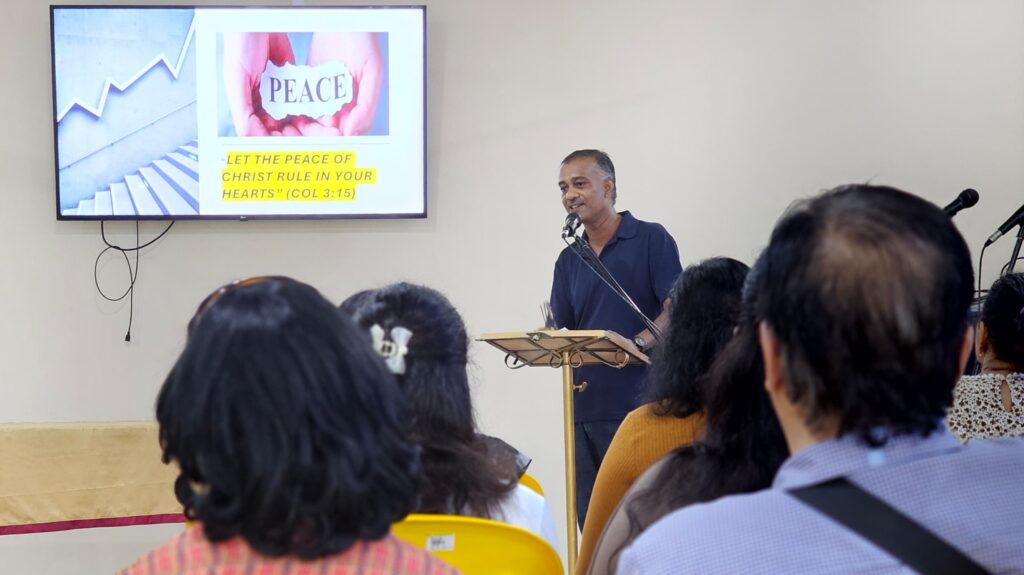
In conjunction with our parish declaring 2026 as the Year of Peace, formation talks have been offered in four languages to help parishioners reflect more deeply on this gift and live it out in daily life. In the English session, Br Melvin Dawson spoke on the theme, “Let the peace of Christ rule in your hearts” (Colossians 3:15), encouraging us to allow Christ’s peace to shape our hearts, relationships, and parish life.
What is Peace, Really?
Many people think peace means having no conflict, arguments, or problems. However, the Church teaches that peace is far more than the absence of disturbance. As the Catechism of the Catholic Church explains, “Peace is the tranquility of order” (CCC 2304). Peace exists when everything is rightly ordered according to God’s design.
In Genesis, before sin entered the world, Adam and Eve lived in harmony. They were at peace with God, with themselves, with each other, and with creation. Sin broke this harmony, bringing blame, shame, and separation.
Through Christ, peace was restored. As Isaiah foretold, “The punishment that brought us peace was upon him” (Isaiah 53:5). On the cross, Jesus reconciled humanity with God, showing us that true peace requires sacrifice. In parish life, this may mean sacrificing our pride, our ego, our need to be right, or our desire for recognition. Without sacrifice, peace becomes merely superficial politeness rather than true communion.
Peace in Our Parish Reality
Br Melvin reflected on common parish experiences that many of us can recognise. At times, ministry members may feel hurt and say, “My ministry is not appreciated.” Others may question leadership decisions or feel excluded. Some hold on to familiar ways, saying, “We have always done it this way,” while younger members may feel their voices are not heard.
Behind these tensions often lie deeper struggles—fear of change, fear of losing influence, a need for recognition, or attachment to identity. Yet these moments are not obstacles to peace; they are opportunities to allow the peace of Christ to rule in our hearts and in our parish.
Building a Parish of Peace: A Practical Path
Br Melvin outlined five practical steps that every parishioner can follow:
1. Awareness – Acknowledge honestly
Peace begins when we admit tensions exist. Ignoring hurt feelings only creates silent resentment. We must listen openly and create safe spaces for dialogue.
2. Repentance – Examine yourself
Each of us must look within and ask: Have I gossiped? Held resentment? Contributed to division? Peace begins with personal conversion.
3. Reconciliation – Take initiative
Speak directly and honestly to those involved. Avoid gossip. Seek mediation when necessary. Healing begins with humble conversation.
4. Formation – Grow in maturity
Peace must be nurtured. Formation in Church teaching, emotional maturity, and leadership humility helps sustain unity.
5. Eucharistic Centering – Return to Christ
The Eucharist is the Sacrament of Unity. Before Communion, we pray for peace and unity. Examining our conscience and going for Confession helps us receive Christ with peaceful hearts.
When these steps are lived out, the fruits become visible: ministries cooperate, leaders are approachable, diversity is respected, youth feel welcomed, gossip decreases, and joy increases. As in the early Church, “The Lord added to their number daily” (Acts 2:47).


Peace Has a Cost
Peace is not free—it costs something. It requires letting go of pride, anger, and the need to win. Jesus paid the price for our peace through His suffering. We cannot keep everything and still expect peace. To receive peace, we must be willing to surrender something within ourselves.
St Paul writes, “Let the peace of Christ rule in your hearts” (Colossians 3:15). To let peace “rule” means allowing it to govern our words, guide our decisions, and shape our relationships.
In this Year of Peace, the question is not whether peace exists—but whether we allow Christ’s peace to rule within us. If each parishioner becomes a peacemaker, our parish will truly reflect Christ. May this Year of Peace be not just a theme, but a true transformation of our hearts and our parish. KA
Reflection
Ask yourself:
• Do I bring peace into meetings and ministry?
• Do I calm situations or escalate them?
• Am I a bridge-builder or a divider?
• Is Christ’s peace visible in me?
“Blessed are the peacemakers, for they shall be called children of God.” (Matthew 5:9)
Let us ask ourselves daily: “Lord, how can I become a peacemaker today?”