NBVM Novena Day 4: Peace Among Neighbours
Jesus asks a question that seems simple: “Is it lawful to do good or to do harm, to save life or to destroy?” There was a man before Him who needed healing. Yet instead of seeing the man and his suffering, the religious leaders were watching Jesus, waiting to see whether He would break the rules. They saw a rule. Jesus saw a person.
Perhaps that is where our reflection on peace among neighbours must begin. We often think of peace as simply the absence of conflict. We tell ourselves that we have nothing against anyone. We are polite, we do not quarrel, and we keep to ourselves. But is that really the peace Christ asks of us?
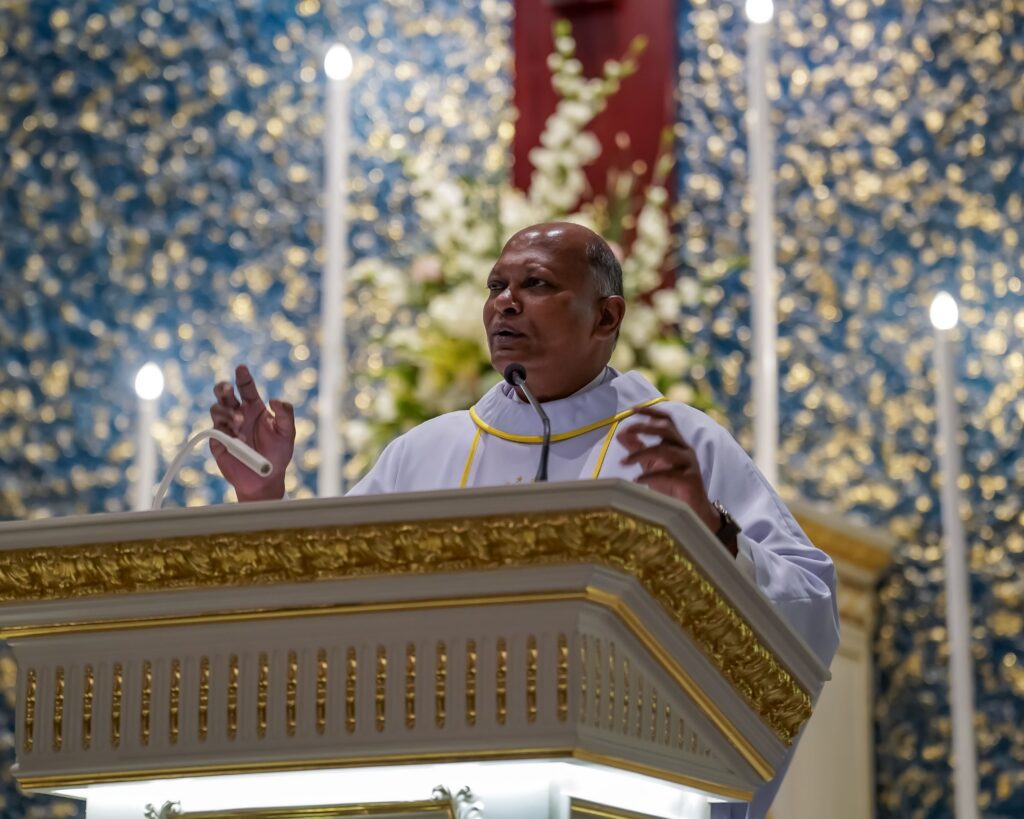
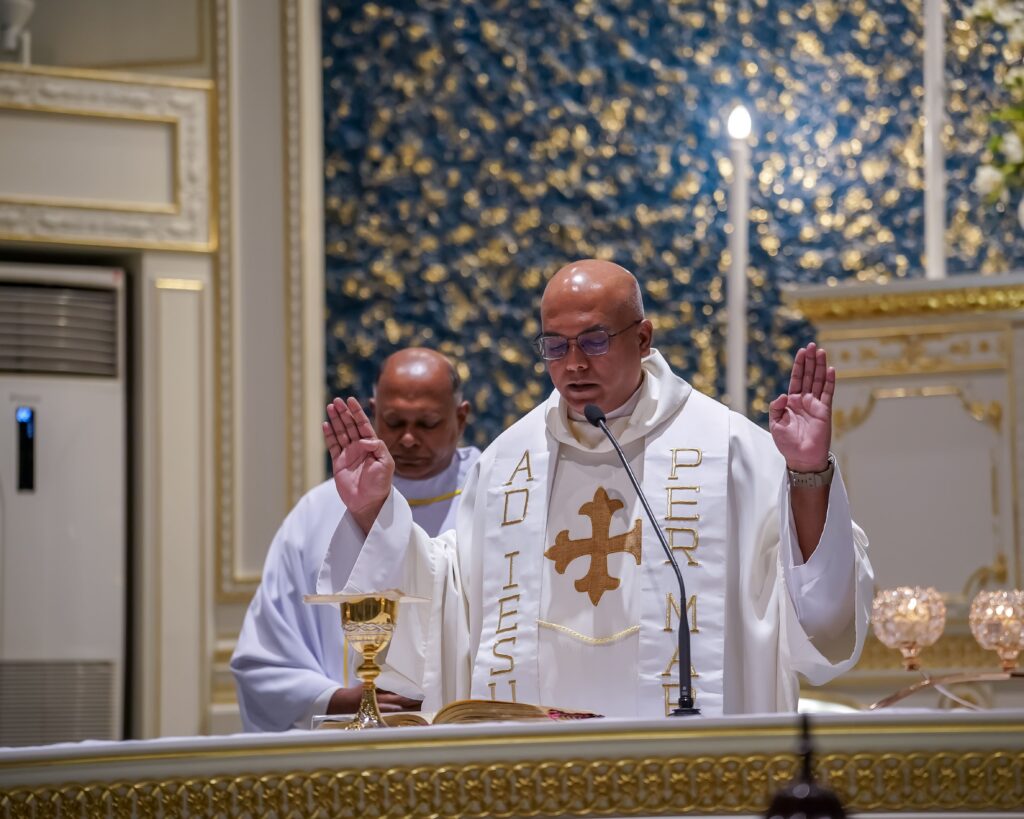
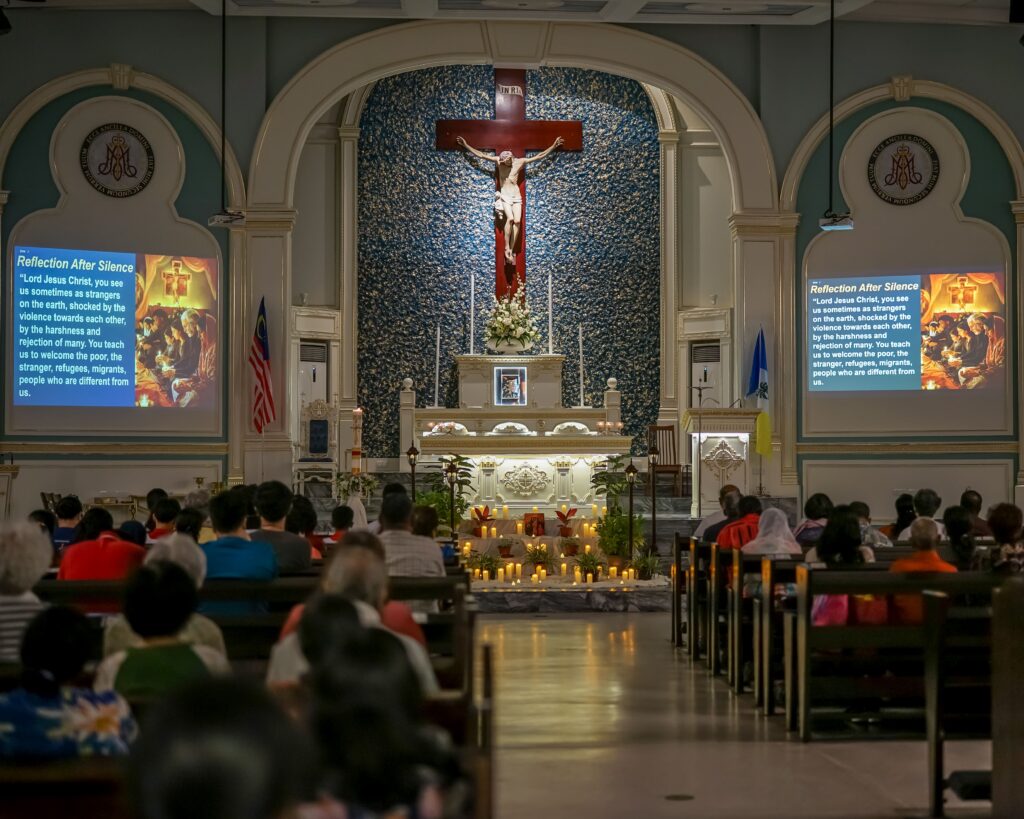
Fr Bernard shared a memory from his own childhood, of growing up in a neighbourhood where Malays, Chinese, Indians, Sikhs and people of different faiths lived alongside one another. Neighbours shared food across fences, played together, entered one another’s homes during festivals, visited when someone was sick or grieving, and spontaneously helped when there was a need. It was never a perfect picture, as he reminded us, but there was a willingness to cross the fence. Looking at our communities today, some of those fences seem harder to cross. And not all of them are physical.
There are fences built from race, language, religion, culture and nationality. There are also quieter ones within us: suspicion, prejudice, resentment, indifference, or simply the comfort of staying among people who are like us. The difficult question is not whether these divisions exist around us. It is whether they have found a home within us.
Who have I quietly decided is “not one of us”? Whose suffering is easier for me to ignore because they are different from me? When someone needs help, do I first see a brother or sister, or do I first notice their race, religion, nationality or background?
These questions can be uncomfortable. But Jesus was never afraid of questions that opened the wound so that it could be healed. When our parish gave shelter, food and care to Rohingya refugees, many came forward generously. Yet there were also those who asked, “Why are we helping these people?” Perhaps hidden within that question is something the Gospel asks each of us: Who is my neighbour?
For Jesus, the answer begins with the Father. Jesus could cross boundaries because He knew the heart of His Father, who looks upon all people as His sons and daughters and loves without exception. The closer we come to God, then, the harder it should become for us to keep another person at a distance.
Peace among neighbours may not begin with something dramatic. It may begin with crossing one small fence: speaking to someone we normally pass by, listening instead of assuming, refusing to join in a prejudiced remark, helping someone without first deciding whether they deserve it, forgiving an old hurt, or making room for someone outside our familiar circle.
Like Mary, who pondered the Word of God in her heart, perhaps we too can sit with two questions today: What boundary in my heart is God asking me to cross? And if I truly believe that the person on the other side is also loved by my Father, what must change in me?
Peace among neighbours begins there. Not by waiting for everyone around us to change, but by allowing God to change our own hearts. And perhaps, one fence at a time, His Kingdom of justice, peace and love can begin to take flesh among us. (BV)